🏛️ Lieu
Patrimoine & Culture
Lac de la Liez
📍 Peigney, Haute-Marne
· 52200 Peigney
À propos
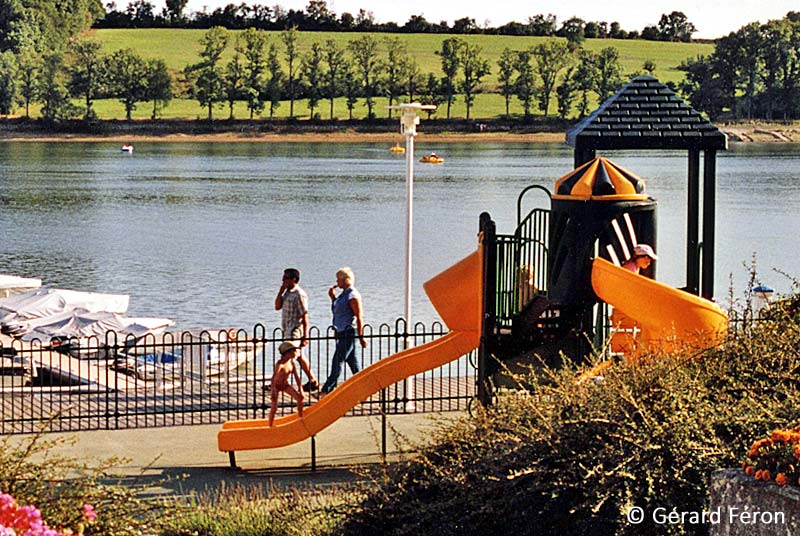
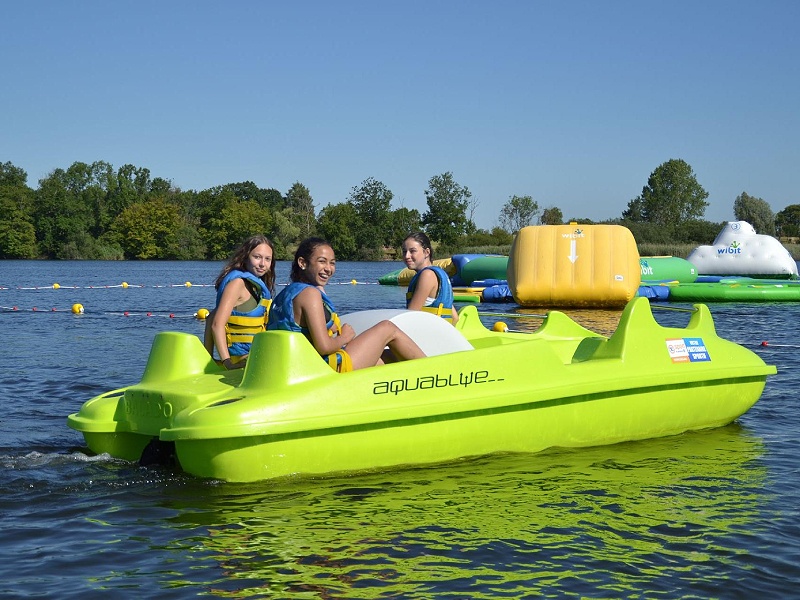
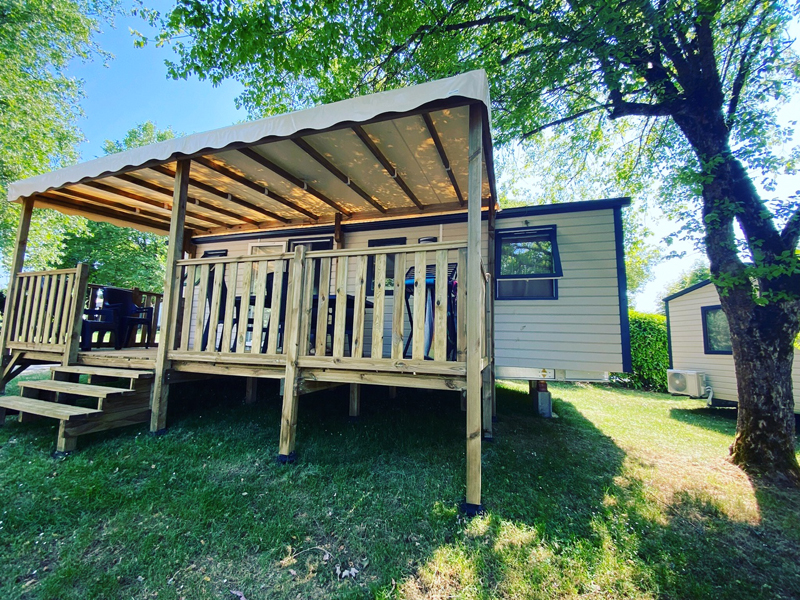
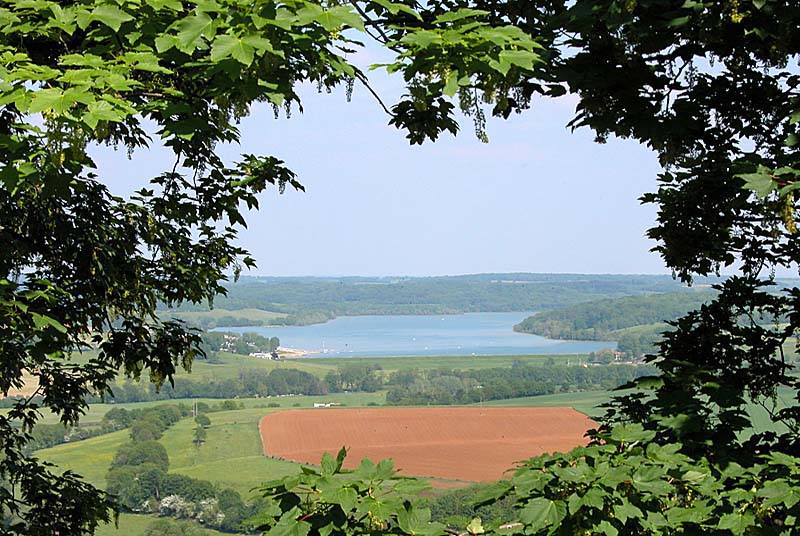
The 290-hectare Lac de la Liez is the only lake that can be admired from the city walls of Lingonne. Construction of the 460 m long, 16 m high dam was completed in 1888. The lake offers a wide range of activities (supervised swimming, pedal-boating, fishing, etc.) in a nautical resort with numerous services (camping *****, hotels, restaurants, etc.). A 16 km walk or mountain bike ride will take you around the lake.
<img src="https://www.bienvenue-hautemarne.fr/wp-content/uploads/2023/08/icon-id-vizit.png">
Hiking available on the free Id-Vizit app!
A true personal travel companion, Id-Vizit offers personalized, fun and interactive tour routes!
<a href="https://www.bienvenue-hautemarne.fr/visites-activites/id-vizit/">more info on Id-Vizit</a>
For nature specialists:
The lac-réservoir de la Liez (or de Lecey), created at the end of the 19th century, is one of four artificial reservoirs around Langres designed to ensure the navigability of the Marne-Saône canal. The reservoir is characterized by a fluvial dynamic: the water level, which varies considerably according to the time of year, depending on the canal's water requirements, is very low in late summer and autumn.
Vegetation :
The arrangement of plant groups is essentially determined by the humidity gradient: floating vegetation with pondweeds and lentils characteristic of lake bays, inner belts (glyceria and reedbeds), outer belts (magnocariçaies with gracile sedge, shore sedge and two-spike sedge, associations with baldingera and marsh bulrush), meadow vegetation subject to spring flooding and soil compaction, nitrophilous groups at the top of banks, alluvial or marshy willows and highly artificial orma-ferns.
Fauna:
The entomofauna, particularly dragonflies and damselflies, is rich and varied, with three species on the regional red list, the tawny dragonfly, the spring aeschne and a spectacular large species, the two-spotted cordulia. The lake, and more particularly its eastern coves and Lecey Bay, is attractive to birds (some 50 breeding, wintering or passing species have been recorded), including the great crested grebe and the little grebe (nesting in the eastern coves), various more or less regular passing ducks, and the black and red kites that nest in the riparian woods.
A very important heronry is located within the perimeter of the ZNIEFF. The reedbeds conceal the nests of a number of passerines (redstart, various wagtails, swallows, etc.), including the reed warbler and the grey flycatcher, both of which are listed as uncommon nesters in the Champagne-Ardenne red list of birds. Like the other reservoirs in the Langres region, it is of great interest for hunting and fishing.
<img src="https://www.bienvenue-hautemarne.fr/wp-content/uploads/2023/08/icon-id-vizit.png">
Hiking available on the free Id-Vizit app!
A true personal travel companion, Id-Vizit offers personalized, fun and interactive tour routes!
<a href="https://www.bienvenue-hautemarne.fr/visites-activites/id-vizit/">more info on Id-Vizit</a>
For nature specialists:
The lac-réservoir de la Liez (or de Lecey), created at the end of the 19th century, is one of four artificial reservoirs around Langres designed to ensure the navigability of the Marne-Saône canal. The reservoir is characterized by a fluvial dynamic: the water level, which varies considerably according to the time of year, depending on the canal's water requirements, is very low in late summer and autumn.
Vegetation :
The arrangement of plant groups is essentially determined by the humidity gradient: floating vegetation with pondweeds and lentils characteristic of lake bays, inner belts (glyceria and reedbeds), outer belts (magnocariçaies with gracile sedge, shore sedge and two-spike sedge, associations with baldingera and marsh bulrush), meadow vegetation subject to spring flooding and soil compaction, nitrophilous groups at the top of banks, alluvial or marshy willows and highly artificial orma-ferns.
Fauna:
The entomofauna, particularly dragonflies and damselflies, is rich and varied, with three species on the regional red list, the tawny dragonfly, the spring aeschne and a spectacular large species, the two-spotted cordulia. The lake, and more particularly its eastern coves and Lecey Bay, is attractive to birds (some 50 breeding, wintering or passing species have been recorded), including the great crested grebe and the little grebe (nesting in the eastern coves), various more or less regular passing ducks, and the black and red kites that nest in the riparian woods.
A very important heronry is located within the perimeter of the ZNIEFF. The reedbeds conceal the nests of a number of passerines (redstart, various wagtails, swallows, etc.), including the reed warbler and the grey flycatcher, both of which are listed as uncommon nesters in the Champagne-Ardenne red list of birds. Like the other reservoirs in the Langres region, it is of great interest for hunting and fishing.